
Injured on the Job, Road or Water?
Get an attorney Who Knows

Meet David E. James
David focuses his practice on maritime, industrial, and commercial motor vehicle cases, as well as serious motorcycle injury claims.
Over the past two decades, he has been involved in some of the largest maritime incidents in the United States. He has substantial experience handling maritime injury cases involving seafarers, longshore workers, and recreational boating accidents. David is well versed in the Shipowners Limitation of Liability Act, an antiquated statute often used by vessel owners to avoid jury trials and limit accountability. He has been retained by other lawyers to help injury victims navigate and overcome these issues. His experience is grounded in firsthand industry knowledge, having previously worked both offshore and shoreside for a vessel owner and operator.
David also has extensive experience in commercial motor vehicle litigation. He has secured numerous significant settlements on behalf of individuals injured by trucking company negligence. His work in this area includes cases involving complex logistics operations, where responsibility may extend beyond the motor carrier to brokers, shippers, and intermodal equipment providers.
As an active motorcycle rider and racer, David understands the unique risks faced by motorcyclists. He represents riders who have been injured due to the negligence of others and brings practical insight into how these collisions occur.
A native of Southeast Texas, David is familiar with the hazards of petrochemical and industrial work. Before practicing law, he worked in plant construction with Brown and Root and later as both a vessel based and shore based tankerman at petrochemical facilities.
David graduated from the Texas A&M Maritime Academy in Galveston in 1994 and from Louisiana State University Law Center in 2001. He is licensed to practice in Texas and Louisiana and has handled high profile matters in multiple jurisdictions.
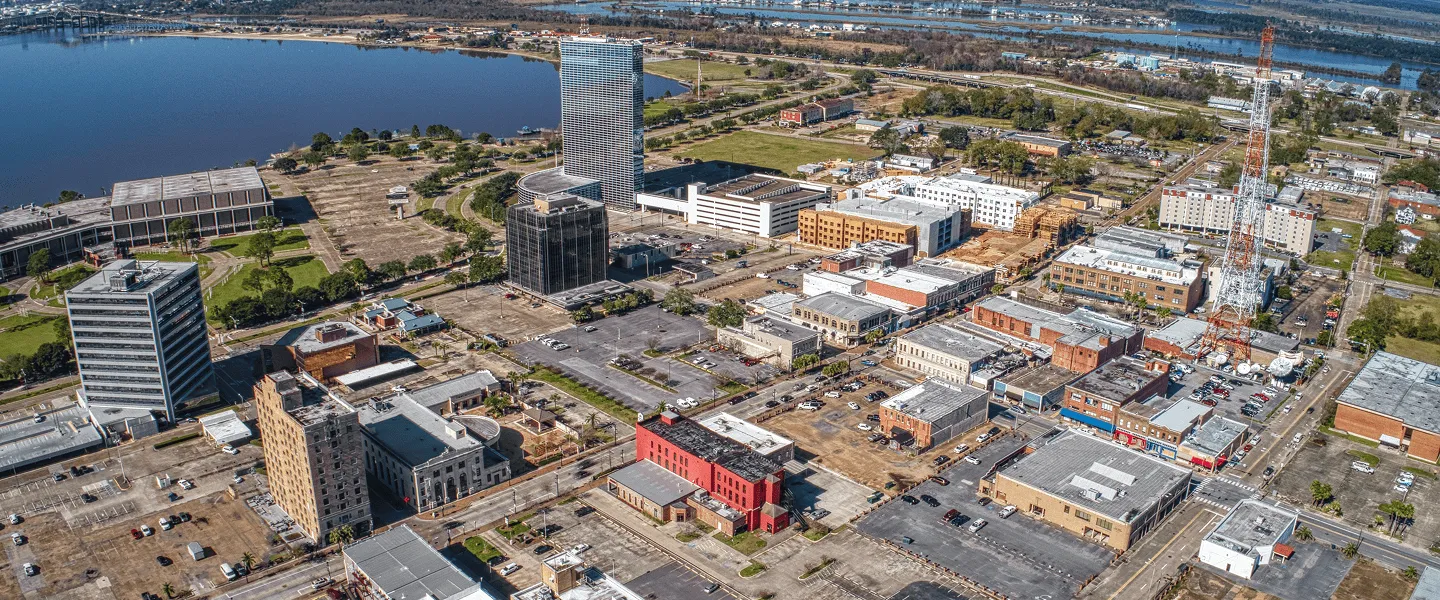
He represents clients throughout Houston, Beaumont, and the Golden Triangle, as well as Lake Charles and Southwest Louisiana, and accepts cases across Texas and Louisiana.
Practice Area Pages
-
Maritime Personal Injury
Seafarers, longshore, shipyard and harbor workers, boaters, and others injured on the water
-
Industrial Injuries
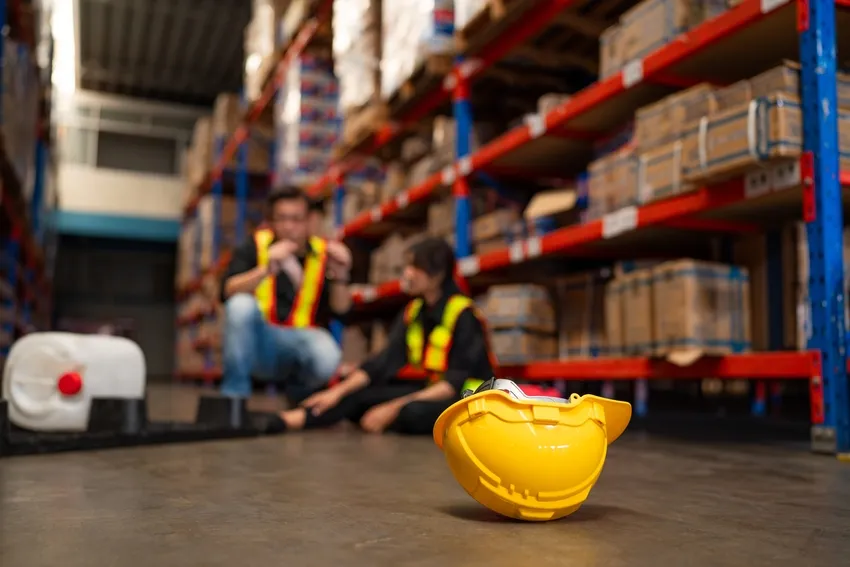
Workers injured at petrochemical facilities and industrial sites
-
Commercial Motor Vehicle Wrecks
People injured in wrecks with commercial motor vehicles and 18 wheelers
-
Motorcycle Wrecks
Motorcycle riders injured in crashes involving other motor vehicles
Why Clients Choose David
Clear Guidance When It Matters Most

Real World, Hands-On Experience
Before working in the courtroom, David worked on vessels and in petrochemical plants.

Experienced.
David has been practicing law since 2001 and is experienced in a diverse array of cases for a numerous different type of clients.

Understands Your World
David has been there too, whether it be working in on a vessel, in a plant or riding a bike around drivers who always seem to miss the presence of a motorcycle.

Works Hard on Your Case
David learned the value of hard work from his working experience prior to practicing law. He applies those same principles to your case from day one.
Nationwide Ability, Locally Focused
David has worked on cases across the country, but focuses his practice in the following areas:
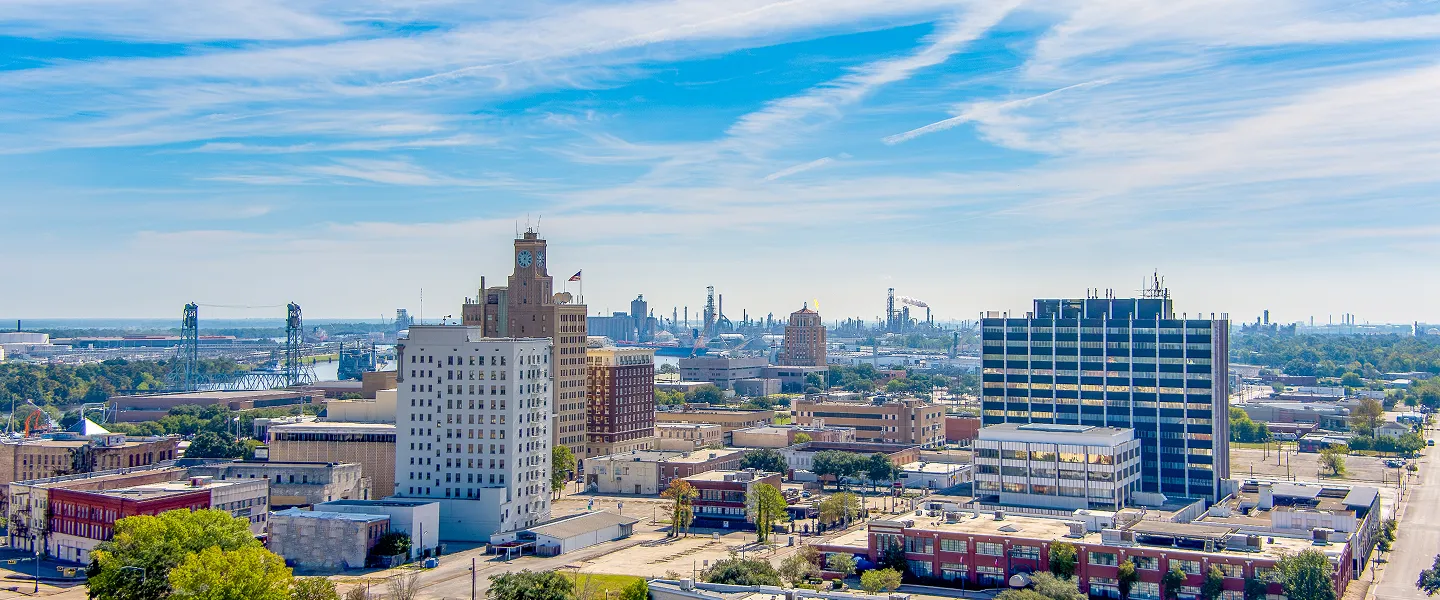
Beaumont, TX
Where Oil Was First Discovered in Texas and Home to Some of the Largest Petrochemical Plants in the World